

Understanding Toyota Warning Lights and the Importance of Getting Them Serviced
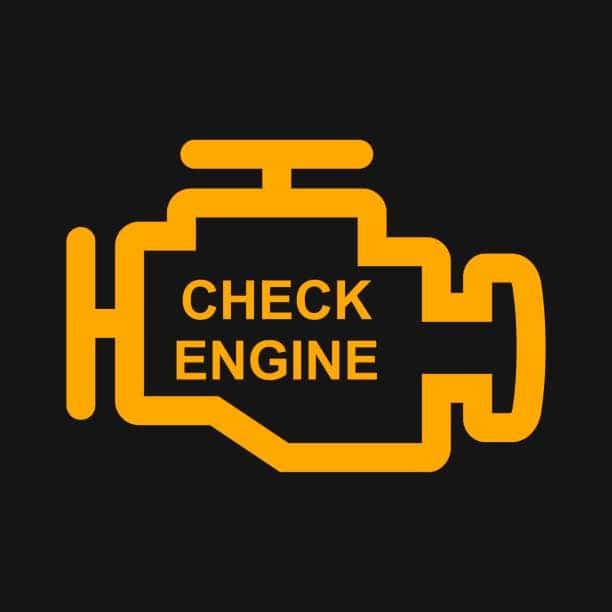
Your Toyota is designed to provide you with a smooth, safe, and enjoyable driving experience, but sometimes, a warning light on the dashboard can signal that something needs attention. While some warning lights may seem harmless, ignoring them can lead to bigger issues down the road. At Rick Hendrick Toyota Sandy Springs, we want to help you understand the meaning behind your vehicle’s warning lights and why it’s essential to bring your car in for service when one appears.
Modern Toyota vehicles are equipped with a variety of warning lights that help monitor the health and performance of key vehicle systems. These lights serve as early alerts, giving you the chance to address minor issues before they become major problems. When one of these lights illuminates, it’s your car’s way of telling you that something isn’t quite right.
While some warning lights might be less urgent, others could indicate potential safety hazards or mechanical problems that, if ignored, can lead to costly repairs or even a breakdown. That’s why it’s important to never ignore a warning light. When one appears, it’s always best to bring your vehicle in for a diagnostic check.
Common Toyota Warning Lights and What They Mean
Here are some of the most common warning lights you might encounter in your Toyota, and what each one indicates:
1. Check Engine Light (CEL)
What It Means: The Check Engine Light (often referred to as the “CEL”) can illuminate for a variety of reasons, ranging from a loose gas cap to more serious engine issues like a misfiring cylinder or a failing oxygen sensor.
What to Do: If your check engine light comes on, don’t panic. However, it’s important to have your vehicle inspected as soon as possible to avoid further damage. A diagnostic test at Rick Hendrick Toyota Sandy Springs will help pinpoint the exact issue.
2. Oil Pressure Warning Light
What It Means: This light indicates that your engine oil pressure is low, which could be a sign of low oil levels or an issue with the oil pump.
What to Do: If the oil pressure warning light comes on, pull over as soon as it’s safe and check your oil levels. If they’re low, top them off. If the light remains on after adding oil, it’s time to bring your Toyota in for service to prevent engine damage.
3. Battery Warning Light
What It Means: The Battery Warning Light typically indicates an issue with your car’s electrical system, such as a failing battery or alternator.
What to Do: If this light comes on, it’s important to have your battery and alternator checked as soon as possible. A malfunctioning battery or alternator can leave you stranded, so addressing the problem early can save you from a breakdown.
4. Tire Pressure Monitoring System (TPMS) Light
What It Means: The Tire Pressure Monitoring System (TPMS) Light comes on when one or more of your tires is underinflated, which can negatively affect fuel efficiency, handling, and safety.
What to Do: Check the tire pressure and inflate any underinflated tires to the recommended level. If the light remains on after adjusting the pressure, there may be a problem with the TPMS sensor, and you should have it inspected.
5. Brake System Warning Light
What It Means: If the Brake System Warning Light comes on, it could indicate an issue with the brake system, such as low brake fluid levels, worn-out brake pads, or a malfunctioning ABS system.
What to Do: If this light comes on, it’s essential to have your brakes checked immediately. Since brakes are vital for safety, addressing this warning light as soon as possible is crucial to avoid accidents.
6. Engine Coolant Temperature Light
What It Means: The Engine Coolant Temperature Light indicates that the engine is overheating. This could be due to low coolant levels, a malfunctioning thermostat, or a broken radiator fan.
What to Do: If this light comes on, pull over immediately to avoid damaging your engine. Let the engine cool down before checking the coolant levels and, if necessary, top off the coolant. If the light remains on, bring your Toyota to us for a coolant system inspection.
7. ABS Warning Light
What It Means: The ABS Warning Light indicates that there is an issue with the Anti-lock Braking System (ABS), which helps prevent your wheels from locking up during hard braking.
What to Do: While your brakes will still function normally without ABS, it’s important to have the system checked to ensure maximum braking performance. Schedule a service appointment to have the ABS system inspected and repaired if necessary.
Why You Should Bring Your Toyota to Rick Hendrick Toyota Sandy Springs for Service
At Rick Hendrick Toyota Sandy Springs, we have a team of trained professionals who are equipped with the latest tools and technology to diagnose and fix any issues your Toyota may have. If a warning light appears on your dashboard, don’t wait—bring your car in for a comprehensive diagnostic check. Our service team will quickly pinpoint the problem and recommend the necessary repairs, ensuring that your vehicle runs smoothly and safely.
We understand how important your Toyota is to you, which is why we prioritize your safety and satisfaction with every service. Whether it’s a simple oil change, tire inspection, or a more complex repair, we’re here to help keep your vehicle in top shape.
Schedule Your Service Appointment Today!
If you notice any warning lights on your dashboard, don’t hesitate to contact us at Rick Hendrick Toyota Sandy Springs. Our service team is ready to assist you and get your vehicle back on the road in no time. You can schedule your service appointment online or give us a call today to get started.
Remember, your Toyota’s warning lights are there for a reason—don’t ignore them! Bring your car to Rick Hendrick Toyota Sandy Springs for reliable service that keeps your Toyota running like new.
0 comment(s) so far on Understanding Toyota Warning Lights and the Importance of Getting Them Serviced